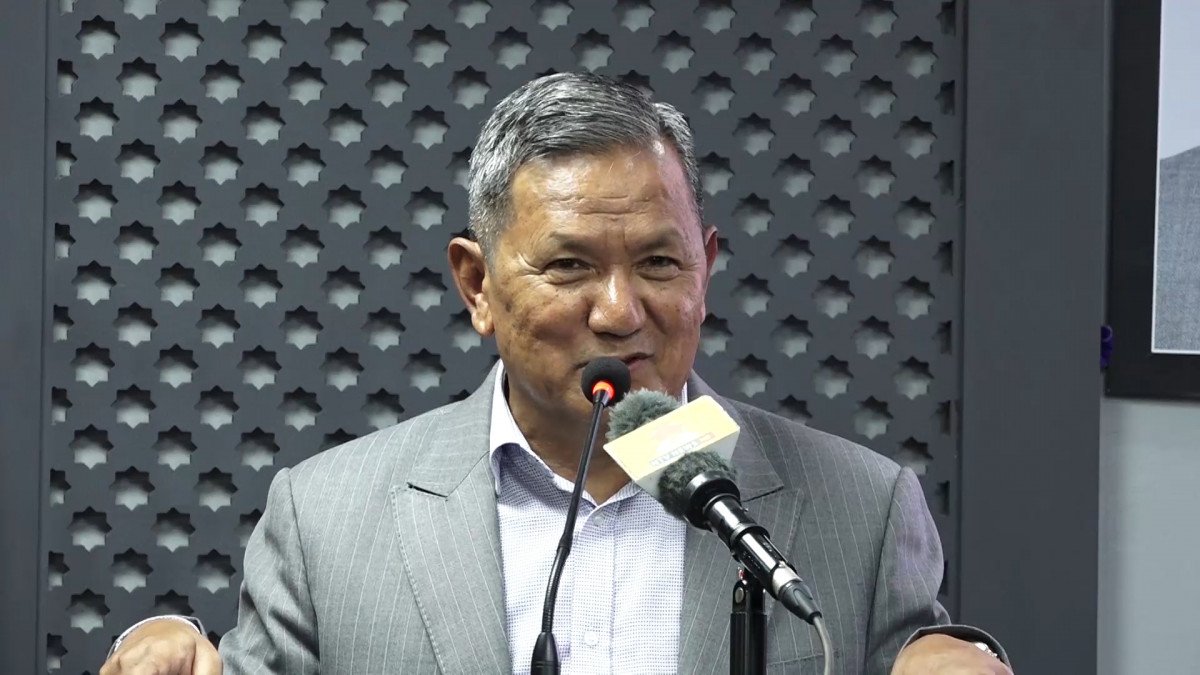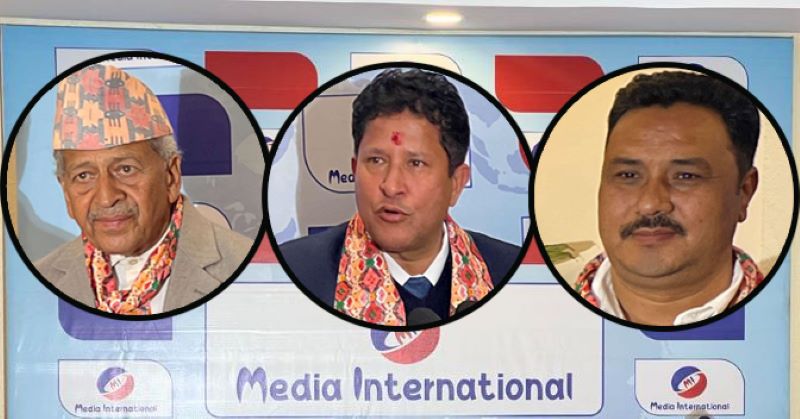
Kathmandu. Various economists have stated that a policy is needed to make the economy dynamic. Former Governor of Nepal Rastra Bank, Dipendra Bahadur Kshetri, said at an interactive program organized by Media International Nepal in Kathmandu that economic policies have been affected due to political instability. He said that there is a need for policies that encourage small businesses at present.
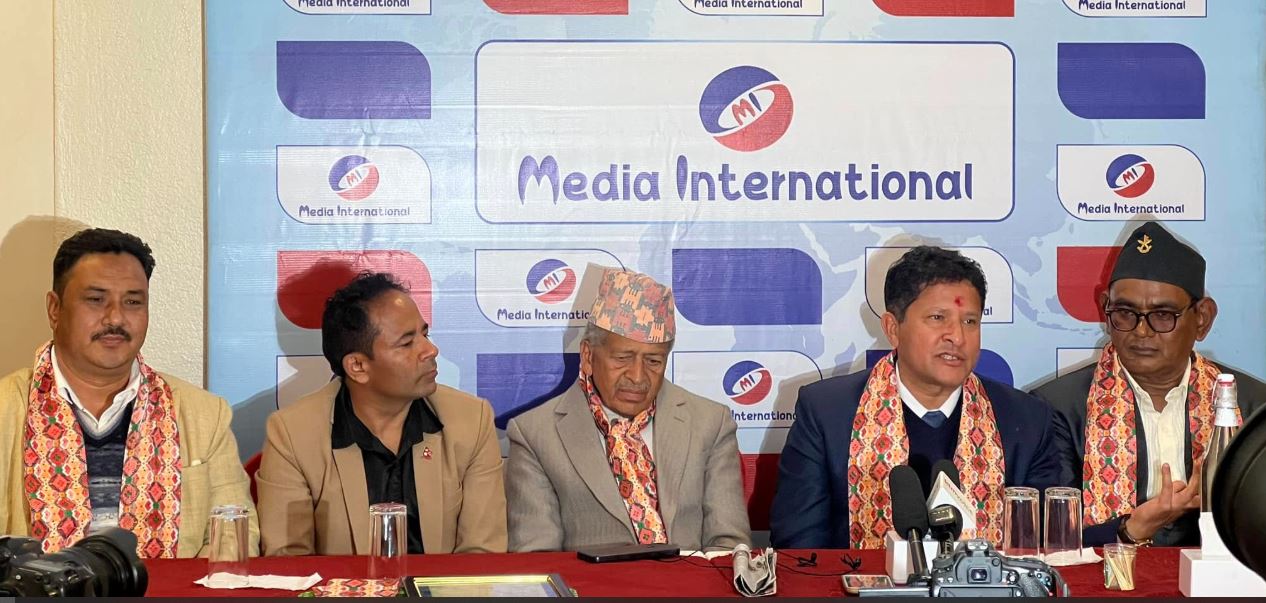 In Nepal, the situation of sustainable progress is not present, he clarified. He said, “Now we can see that the shutters of every place are written ‘for rent’. This also indicates that the businessmen have already abandoned their businesses.”
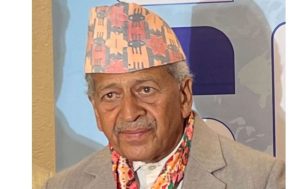 Development and construction are focused on the village, but the villagers are starting to become city-centric, said the district official. He said that Nepal’s current account has risen due to remittances. The latest statistics from the Nepal Rastra Bank show some optimism, but he said they are not realistic. He said, “It is not possible to account for how much production and how much export.”
The official said that while Nepal’s external sector is strong, the internal sector is weak. He said that the industry and business here cannot be promoted, and it is not possible to see if revenue collection has been done properly. The former governor also said that Nepal’s economic and foreign policies are not aligned. “We say we will export buffaloes to China. But the situation is that we have to go to India to find buffaloes,” he said. He said the country has not been able to focus on how to move the country forward in a sustainable way.
He said that while there have been loan defaults in banks recently, entrepreneurs have not been able to get loans. He also said that the central bank’s policy of withdrawing liquidity from the banking system has not been able to make the sluggish economy dynamic. The former governor said that the government’s policy of the central bank withdrawing liquidity from the banking system and banks taking money at 3% interest will not be able to make the economy dynamic. He claimed that the non-performing loans, which were 1% during the COVID-19 period, have now reached around 6%. He argued that if the real statistics are looked at and analyzed, the non-performing loans of the banks are between 12% and 14%.
He said, “Recent industrialists and entrepreneurs have not been able to get loans, and non-performing loans of banks are increasing. While it was 1% during the COVID-19 period, it has now reached around 6%, and if the real statistics are looked at, it will reach 12 to 14%. Even when taking loans for business, banks are conservative except for mortgages. The central bank has taken money from banks, withdrawing Rs 40 billion every week. This is not an appropriate policy to make the economy dynamic.” He also said that the central bank has made a provision that the inter-bank rate cannot be more than 6% in the interest rate corridor.
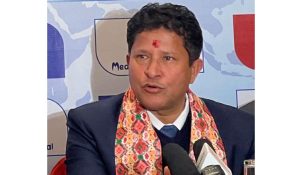 The chairman Pandey said that as long as the central bank does not remove the system of providing loans without collateral, the younger generation will not be able to stay here. He also said that it is now very difficult to sustain the businessmen in Nepal. He stated that the trade balance needs to be balanced. He said that due to the rise in the dollar rate, the tourism sector in Nepal has survived to some extent. He stated that the real farmers in Nepal have not received subsidies. He said that the state should determine the income of the farm products for the farmers. He stated that the state has only prioritized agriculture in speeches. He said that the state must pay special attention to promoting the agricultural sector. He said that without foreign investment, capital and technology cannot be brought into Nepal, and stated that there is a need for foreign investment to revive the Nepali economy. He also said that the Nepali economy has reached a critical state. He stated that the state needs to monitor and regulate the cooperative sector. He also said that companies are now trying to raise money by bringing IPOs 10 years later and taking people’s money by showing false documents, and the state needs to stop this. He said that agriculture and tourism sectors should be taken together.
 The state needs to pay special attention to whom it provides services and facilities to make the industry dynamic. He said, ‘Has the government subsidy reached the real farmers or not? If not, why not. That needs to be looked into.’
He said that in recent times, even senior citizens have had to go abroad for a livelihood, and it cannot be said that the youth will not have to go abroad. The state needs to protect and promote production and producers. Nepal needs to focus on production and self-reliance. Subsidies should be provided based on the contribution of the investment. The environment needs to be created for the youth to work in the country itself. He said that the bank’s policy of treating trade and industry equally has created problems. The government needs to create an environment for capital conservation by investing in the country itself. Although Nepal is an agricultural country, the government has neglected the voice of the farmers. He also said that the country’s overall economy is sustained by remittances.