
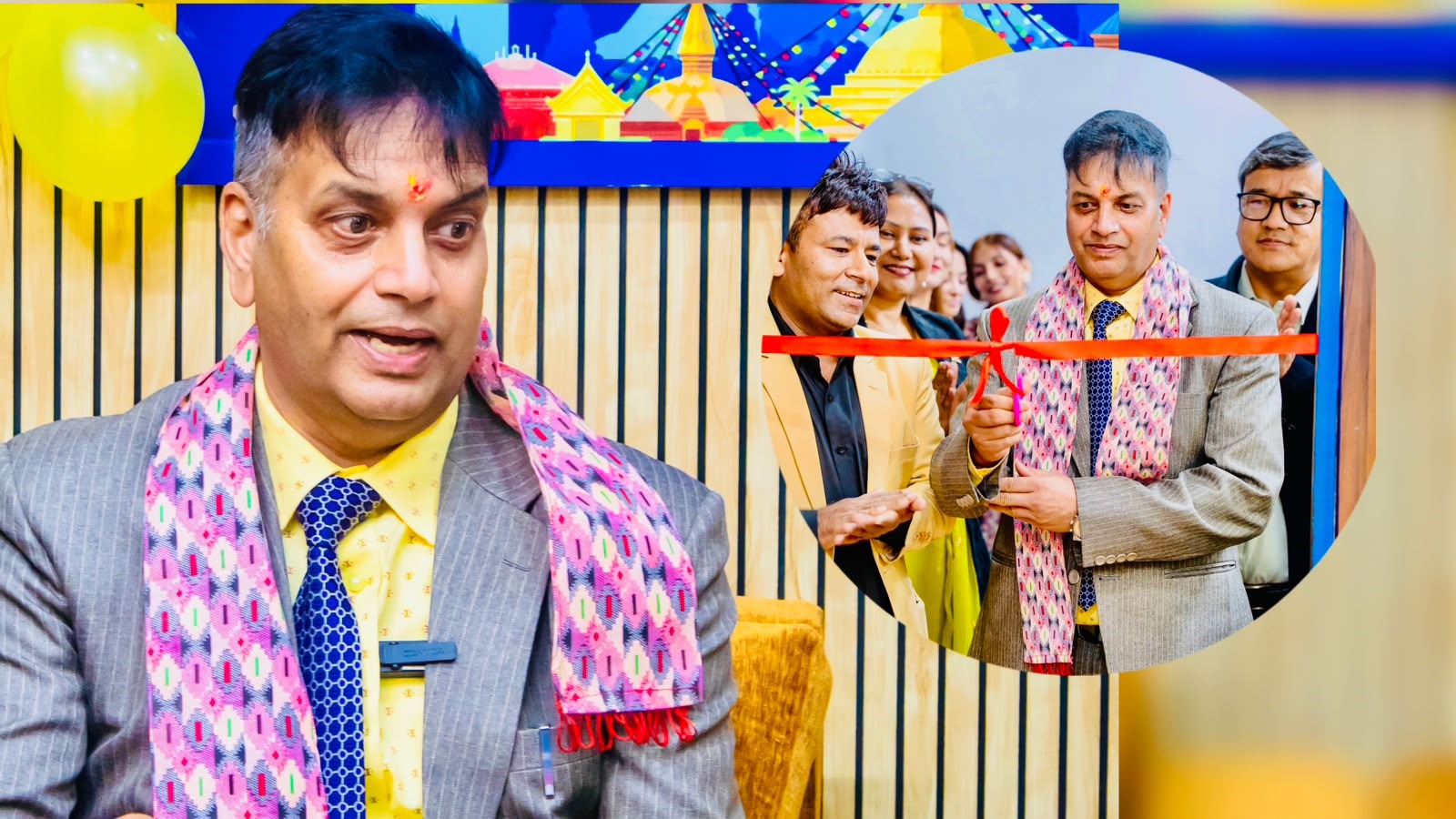
Himal Hub/ Securities Board of Nepal (SEBON) Chairman Dr. Gopal Prasad Bhatt has emphasized the need to connect Nepal’s capital market with rural economies, productive sectors and the economic lives of ordinary citizens, rather than limiting it to share trading.
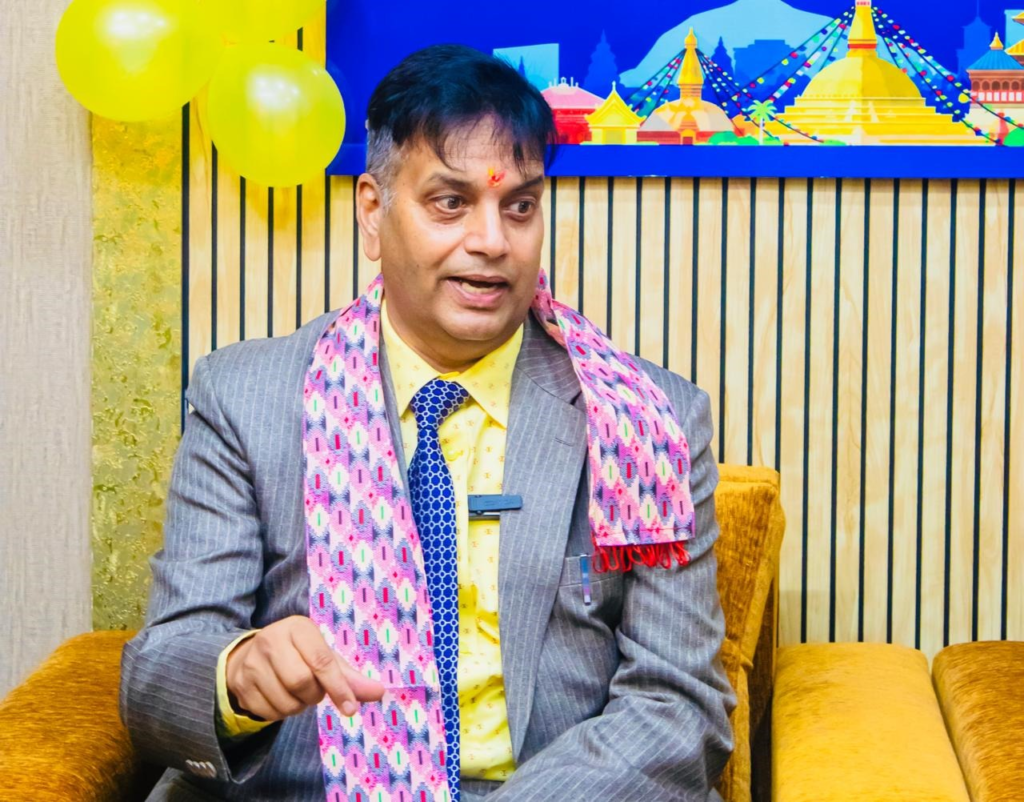
Speaking at the launch of the Sambhavana programme organized by Media International in Kathmandu on October 12, 2026 (Ashoj 26, 2083), Bhatt said Nepal should expand the scope of its capital market and make it a more effective instrument for economic development, production growth and entrepreneurship.
Bhatt observed that many people in Nepal primarily understand the capital market in terms of buying and selling shares. According to him, greater public awareness is needed to explain its broader purpose, potential and contribution to national economic development.
“The capital market should not be understood merely as a limited area of trading, but as an important mechanism for mobilizing capital required for the country’s economic development,” Bhatt said.
He added that expanding access to the capital market and linking it with production, entrepreneurship and the rural economy could create new opportunities for economic growth.
Capital Market Beyond Share Trading
According to Bhatt, discussions about Nepal’s capital market often focus on share transactions at the Nepal Stock Exchange (NEPSE), fluctuations in market indices and the gains or losses experienced by investors. However, he stressed that the capital market serves a much broader economic purpose.
The capital market can mobilize financial resources from individuals and institutions with investable funds to sectors that require capital. In addition to shares, instruments such as bonds and other securities can help industries, businesses and the government raise the financing they need.
Bhatt emphasized the importance of creating an environment in which industries and businesses can raise funds directly through the capital market instead of relying predominantly on the banking system.
An expanded and effective capital market, he said, could encourage investment in productive sectors, support entrepreneurial activities and generate additional opportunities for economic development.
Linking capital market investment with rural production could also help broaden access to financing for economic activities beyond the major urban centres. However, achieving this would require greater awareness, wider participation and mechanisms that connect investment opportunities with productive enterprises.
Media International Launches ‘Sambhavana’ Programme
Speaking at the event, Media International Chairman Madhav Nirdosh said the Sambhavana programme had been launched to help young people identify economic opportunities and explore possibilities within Nepal.
Nirdosh noted that although the country has economic potential across various sectors, identifying, exploring and promoting those opportunities has not received sufficient attention.
He said the programme aims to encourage young people to seek opportunities suited to their skills and abilities while highlighting possibilities for entrepreneurship, business development and employment within the country.
“Although there is economic potential in various sectors of the country, the identification, exploration and promotion of these opportunities have not been adequate,” Nirdosh said. “We have initiated this programme to encourage young people to explore opportunities according to their capabilities and skills and to highlight possibilities for entrepreneurship, business and employment within the country.”
The programme is intended to bring attention to opportunities that could support domestic enterprise development and encourage young people to consider building their economic futures in Nepal.
Connecting Investment, Production and Employment
The statements made at the programme highlighted the potential relationship between capital market development, productive investment and employment generation.
A capital market that reaches beyond conventional share trading can provide alternative financing channels for eligible businesses and enterprises. Greater access to such financing could help productive sectors obtain funds for expansion, investment and business development.
For rural enterprises and smaller businesses, however, access to capital depends on several factors, including their ability to meet financing requirements, demonstrate viable business models and attract investors. Expanding capital market participation alone would not automatically resolve these challenges.
Similarly, encouraging young people to pursue opportunities within Nepal requires more than identifying business ideas. Access to finance, market connections, relevant skills and a supportive business environment are also important.
The emphasis placed by Bhatt and Nirdosh therefore points to two related priorities: making the capital market more relevant to the country’s productive economy and helping young people identify viable opportunities for enterprise and employment.
The launch of the Sambhavana programme by Media International brings these themes together by highlighting the importance of economic opportunity, capital mobilization and entrepreneurship in Nepal’s development.
The programme’s longer-term contribution will depend on how effectively identified opportunities are connected with investment, productive activities and practical pathways for young people to establish businesses and generate employment.


