Himal Hub / The Government of Nepal has unveiled a Rs 2.124 trillion budget for the upcoming fiscal year 2026/27, signaling an expansionary fiscal agenda aimed at sustaining economic growth, financing development priorities, and strengthening public finances.
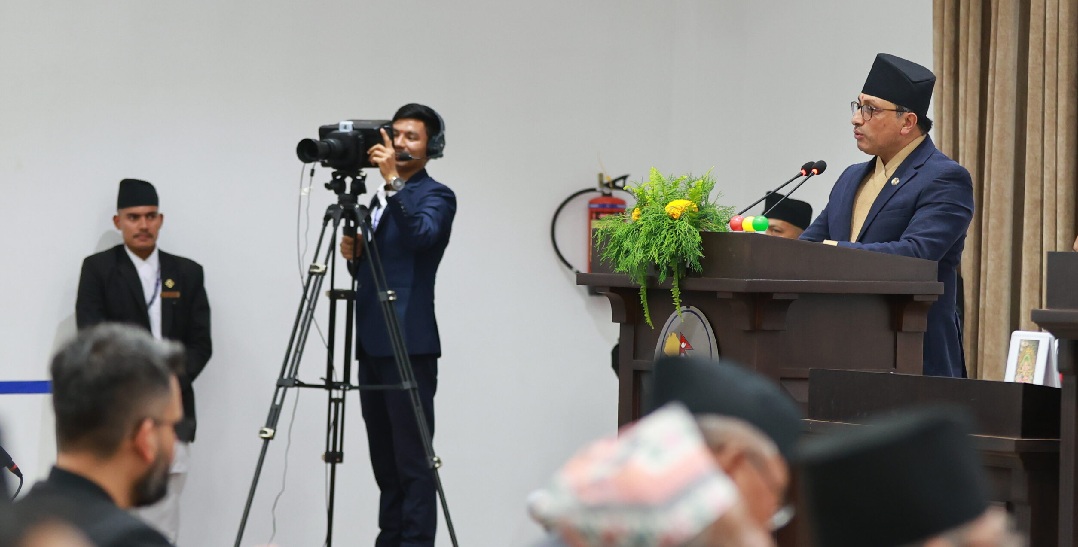
Finance Minister Dr. Swarnim Wagle presented the budget before a joint session of the Federal Parliament on Thursday, outlining the government’s spending and financing plans for the new fiscal year.
The proposed budget stands at Rs 2.124 trillion, representing an increase from the Rs 1.964 trillion budget allocated for the current fiscal year.
Spending Priorities
Of the total allocation, the government has earmarked:
- Rs 1.270 trillion for recurrent expenditure, covering government operations, public services, social protection programs, salaries, and administrative expenses.
- Rs 431.10 billion for capital expenditure, aimed at funding infrastructure projects, development programs, and other long-term investments critical to economic growth.
- Rs 422.64 billion for financial management, including debt servicing and other fiscal obligations.
The budget reflects the government’s continued effort to balance development spending with fiscal sustainability amid ongoing economic challenges.
Revenue and Financing Plan
To finance the projected expenditure, the government expects to raise Rs 1.405 trillion in revenue during the fiscal year.
In addition, Nepal is expected to receive Rs 61.74 billion in foreign grants from development partners.
To cover the remaining financing requirement, the government plans to mobilize both domestic and external borrowing. The financing framework includes:
- Rs 247.28 billion in foreign loans
- Rs 410 billion in domestic borrowing
Overall, the government estimates that Rs 657.29 billion will be managed through borrowing and other financing arrangements to bridge the resource gap.
Higher Budget Amid Growth Ambitions
The larger budget comes as Nepal seeks to accelerate economic recovery, stimulate private-sector investment, create jobs, and enhance infrastructure development. The government has also placed emphasis on improving the investment climate, modernizing the financial sector, and increasing capital expenditure efficiency.
With a spending plan exceeding Rs 2 trillion for another consecutive year, the budget underscores the government’s ambition to drive economic expansion while maintaining fiscal discipline and ensuring adequate resources for priority sectors.
Economists and investors will now closely watch the implementation of the budget, particularly the government’s ability to boost revenue collection, improve development spending, and manage rising public debt levels in the year ahead.