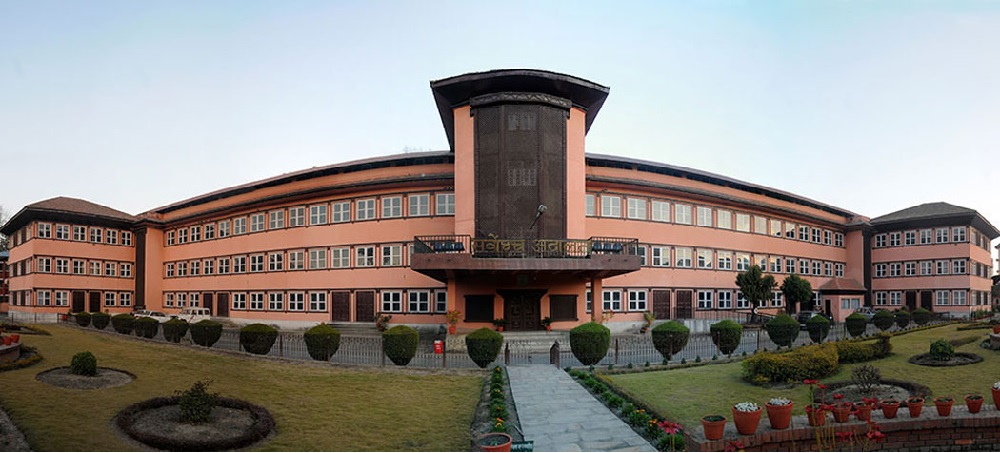
Himal Hub / The Supreme Court has postponed the hearing on a petition challenging the government’s decision to evict landless settlers from informal settlements in Kathmandu by one week.
The petition argues that the eviction would violate the housing rights of hundreds of people, including the elderly and children. It also seeks an interim order to immediately halt the eviction process.
During the initial hearing, Justice Shanti Singh Thapa ordered the government to clarify the reasons behind the eviction and scheduled further discussion for Baisakh 21 (early May).
The case was filed by rights activists and legal professionals, including members of the Gen Z movement, who have demanded that the government’s decision be scrapped. They also urged the court to stop demolitions until a final verdict is reached, warning that delays could cause irreversible harm.
Typically, courts may issue short-term interim orders—sometimes even after a one-sided hearing—especially in cases involving fundamental rights. However, in this case, the court allowed a week’s time before proceeding further.
Petitioners argue that immediate intervention is necessary, as delaying action could make any future court decision meaningless if the damage is already done.
The government has already begun clearing most settlements along riverbanks in the Kathmandu Valley. Displaced families are now taking shelter in temporary spaces such as shelters and public buildings, while many elderly people and schoolchildren face serious hardship.
Legal experts say that even if the court issues an interim order next week, it may offer little relief, as many residents have already been displaced.